Stone restoration guide Melbourne homeowners can rely on starts with understanding how natural stone surfaces change over time. Marble, limestone and granite are popular in Melbourne homes for their durability and timeless appearance, but even strong stone surfaces can develop stains, scratches and dullness over the years.
This is where stone restoration comes in. But what exactly does the process involve? And how do you know when it’s time to restore rather than replace? Explore all services we offer.
Stone Restoration Guide Melbourne Homeowners Should Know
Stone restoration is the process of returning natural stone surfaces to their original condition – or in many cases, better than new. Unlike a quick surface clean, restoration goes deeper. It can involve grinding down the surface to remove damage, polishing to restore shine, and sealing to protect the stone going forward. It’s not just about aesthetics either. Restoring stone can also:
- Improve the hygiene of surfaces by removing trapped dirt or mould
- Extend the life of stone features like benchtops and floors
- Prevent further damage caused by moisture or abrasion
Common Signs Your Stone Needs Attention
If you’re not sure whether your stone needs restoration, look for these telltale signs:
- Etching or dull spots, especially on marble and limestone
- Discolouration from stains or water marks
- Surface scratches or chips
- Uneven tiles that create a trip hazard or collect grime
- Loss of shine in polished surfaces
In Melbourne’s climate, outdoor stone surfaces can also suffer from exposure to the elements, leading to fading, moss buildup, or erosion over time.
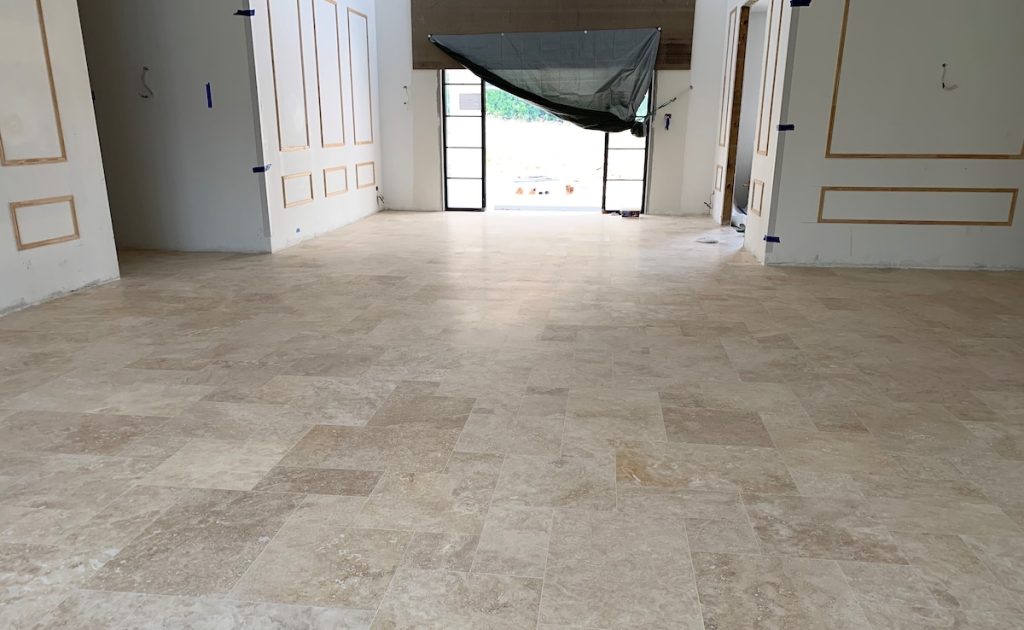
What Happens During the Restoration Process?
Restoration typically includes a few key steps:
Assessment
Every stone is different. The first step is identifying the type of stone and the extent of the damage.
Grinding or Honing
This involves removing the top layer of the stone to eliminate scratches, unevenness, and stains. Diamond abrasives are often used for precision.
Polishing
If a glossy finish is desired, polishing follows. This brings back the stone’s natural shine and colour depth.
Sealing
A high-quality sealant helps protect the stone from future staining, especially in kitchens or bathrooms where spills are common.
Some restorations may also include re-grouting, especially in tiled areas where grout has become discoloured or cracked.
Interior vs Exterior Stone: What’s Different?
Indoor stone, like kitchen benchtops or bathroom floors, tends to suffer from wear, spills, and cleaning chemicals. Outdoor stone, on the other hand, is more exposed to sunlight, rain, and temperature changes. Restoration methods are adapted accordingly to suit the environment and the type of stone.
Choosing a Professional for the Job
Choosing experienced professionals is important when restoring natural stone surfaces, particularly for long-term maintenance and workmanship standards. Australian businesses are also encouraged to follow professional and operational guidance available through the Australian Government Business Website. A professional stone restoration guide for Melbourne homeowners should include proper assessment, polishing and sealing techniques tailored to the specific stone type.
Final Thoughts
Stone is a long-term investment in your home, and with the right care, it can last for decades. Restoration is a sustainable way to preserve and enhance its beauty without the need for replacement. Whether it’s a marble bathroom, a sandstone patio, or a granite benchtop, bringing stone back to life can transform the feel of a space.
If your stone surfaces are starting to look worn or damaged, a professional stone restoration guide can help Melbourne homeowners restore their appearance and extend their lifespan, and it might be worth exploring what restoration could do for it. Contact Absolute Stone Care today!