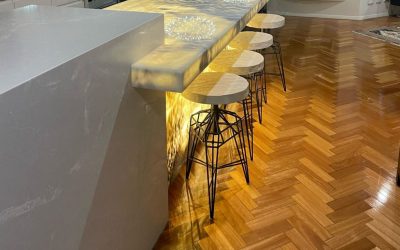
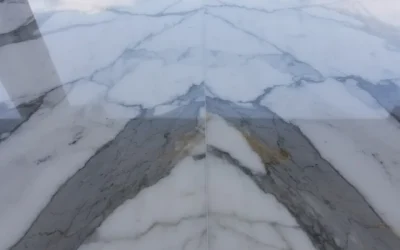
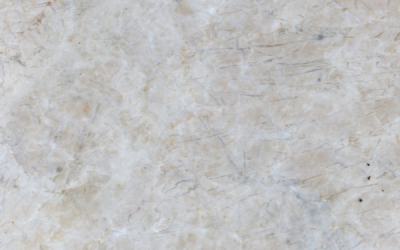
Glossy marble is not the only way to achieve a premium stone finish. Matte and low-sheen surfaces are also popular choices for contemporary interiors, renovations and sophisticated commercial spaces.
If you’re considering marble honing in Melbourne, understanding the difference between a honed and polished finish can help you choose the right look for your property.
Professional stone honing uses controlled mechanical abrasion to refine the surface of suitable natural stone, creating a smooth, understated finish without the strong reflectivity of high-gloss polishing.
For existing marble floors, benchtops and other stone surfaces, honing may also be an option when the current finish needs refreshing or changing.
What Is a Honed Marble Finish?
A honed marble finish has a smooth, matte or low-sheen appearance rather than a highly reflective gloss.
The surface is mechanically refined using progressively finer abrasives, stopping before the high-gloss finish associated with traditional marble polishing. A honed finish can suit:
- Contemporary Melbourne homes
- Minimalist kitchens and bathrooms
- Natural stone flooring
- Commercial interiors
- Renovations where a softer appearance is preferred
Honing is also used on other suitable natural stones, including limestone and travertine. The appropriate process depends on the material, its existing finish and the result required.
Honed vs Polished Marble: Which Finish Is Better?
Neither finish is universally better. The right choice depends on the appearance you want, the location of the stone and how the surface will be used.
Honed Marble
A honed finish offers a matte or satin appearance with less reflected light. Potential benefits include:
- A contemporary, understated aesthetic
- Less visible reflection from windows and lighting
- Minor surface marks may be less noticeable than on some high-gloss finishes
- A natural appearance that complements modern interiors
However, honed marble is not scratch-proof or stain-proof. Some honed surfaces can be more susceptible to staining, depending on the stone and its treatment.
Polished Marble
Polished marble has a reflective, high-gloss finish that highlights the stone’s colour, veining and natural character. It can suit luxury interiors, formal spaces and properties where a glossy finish is desired.
However, reflections can make certain scratches, dull patches and surface imperfections more noticeable. Polished marble can also develop etching when exposed to acidic substances.
For homeowners comparing marble honing and polishing in Melbourne, the decision should consider both appearance and ongoing maintenance.
Can Existing Polished Marble Be Changed to a Matte Finish?
In suitable circumstances, yes.
If your marble floor or other stone surface has a glossy finish that no longer suits your interior, professional honing may be able to create a more understated appearance.
The process depends on the stone type, existing surface condition, previous treatments and the finish you want to achieve. Professional assessment is particularly important when the surface has:
- Scratches or visible wear
- Etching or cloudy patches
- Uneven areas
- Previous coatings or treatments
- Different finishes across adjoining sections
The surface may require grinding or additional refinement before the final honed finish is achieved.
Absolute Stone Care provides professional stone polishing and surface refinement in Melbourne, with high-gloss and honed finishes available where suitable.
Is Honed Marble Easier to Maintain?
A honed finish can make some minor marks less noticeable, but it does not eliminate maintenance requirements.
Marble remains susceptible to etching from acidic substances, regardless of whether its finish is honed or polished. Porosity, stone composition and protective treatments also influence staining. For better long-term care:
- Clean spills promptly.
- Avoid vinegar, lemon-based cleaners and other unsuitable acidic products.
- Use cleaning products appropriate for natural stone.
- Avoid abrasive pads and scouring powders.
- Follow the recommended maintenance instructions for your specific surface.
The Australian Stone Advisory Association’s natural stone care guide explains why stone characteristics and suitable cleaning products matter when maintaining natural stone.
Marble Honing for Floors, Benchtops and Commercial Interiors
Professional marble honing in Melbourne can be considered for a range of suitable applications.
Marble Floors
Stone floors can develop uneven wear, scratches and changes in appearance from regular foot traffic. Honing can refine the surface to achieve a consistent matte or low-sheen finish where appropriate.
Where tiles have raised edges or differences in height, grinding or levelling may also be required before the final finish is applied.
Marble Benchtops
A honed benchtop can create a softer, less reflective appearance in contemporary kitchens and bathrooms.
However, benchtops are exposed to spills, oils and acidic foods. The suitability of the finish and any additional protection should be assessed for the particular stone and application.
Commercial Stone Surfaces
Hotels, offices, retail spaces and hospitality venues may use honed stone to complement contemporary interior design.
The appropriate finish should account for the material, expected traffic, cleaning requirements and overall design.
Absolute Stone Care provides professional stone restoration and refinishing services for residential and commercial properties throughout Melbourne.
Can Honing Remove Scratches and Dull Patches?
Honing can reduce or remove certain surface imperfections when the stone and depth of damage are suitable for mechanical refinement.
However, not every scratch, stain, chip or mark can be removed through honing alone.
Deeper scratches may require more extensive grinding, while stains may need a different treatment. Etching can also require surface refinement to restore a more consistent appearance.
This is why professional marble surface restoration in Melbourne should begin with an assessment rather than assuming every damaged surface needs the same treatment.
Explore Absolute Stone Care’s marble and stone restoration services to understand the options available for worn or damaged natural stone.
Does Honed Marble Need Sealing?
Depending on the stone’s porosity and application, a suitable sealer may help reduce liquid penetration and staining.
However, sealing does not make marble completely stain-proof, scratch-proof or etch-proof. It also does not create the matte finish itself.
The correct approach depends on the stone and the intended use of the surface.
Absolute Stone Care offers professional stone sealing in Melbourne for suitable natural and other stone surfaces.
Professional Marble Honing Melbourne
Choosing between a matte and polished finish is about more than appearance. The stone type, existing condition, intended use and maintenance requirements all influence the best approach.
Absolute Stone Care provides professional stone polishing, honing and restoration services across Melbourne, helping homeowners and businesses assess their options before committing to a new finish.
If your marble floor or stone surface looks worn, has lost its original appearance or no longer suits your interior, professional assessment can determine whether honing, polishing or broader restoration is appropriate.
Considering a honed marble finish in Melbourne? Contact Absolute Stone Care to discuss your stone surface and the finish you want to achieve.
Frequently Asked Questions
Is Clearstone better than sealing for marble?
They are different protective systems rather than interchangeable products. The appropriate option depends on the marble, surface condition, location, usage and desired protection.
Does sealing prevent marble etching?
No. Sealing can help reduce liquid penetration and staining, but it does not make marble immune to etching or scratching.
Can Clearstone prevent marble etching?
Clearstone can provide additional protection against etching and staining on suitable surfaces, but it should not be considered an absolute guarantee against all chemical or physical damage.
Can Clearstone be applied to an old marble benchtop?
Potentially. Existing scratches, etching, stains or dullness may require cleaning, polishing or restoration before the protective treatment is applied.
Does marble need to be polished before Clearstone?
Not necessarily, but damaged or uneven marble may require surface preparation before coating. The condition of the benchtop should be assessed first.
How often should a marble benchtop be sealed?
There is no single timeframe for every marble surface. Porosity, usage, existing treatment and the type of sealer all affect maintenance requirements.
Is Clearstone suitable for kitchen benchtops?
Clearstone is designed for suitable horizontal natural stone surfaces, including kitchen countertops and other high-use applications. Professional assessment is recommended before application.
Do you provide marble benchtop protection in Melbourne?
Yes. Absolute Stone Care provides marble and stone polishing, restoration, sealing and Clearstone protection services for suitable residential and commercial surfaces across Melbourne.
Protect the Marble Before the Damage Gets Worse
Marble does not need to be treated like ordinary laminate or engineered surfaces. The right protection depends on the stone, its condition and how you use it.
Absolute Stone Care provides professional marble benchtop sealing, polishing, restoration and Clearstone protection across Melbourne. Contact the team for an on-site assessment and determine the right protection for your stone.